St. John the Baptist and St. John the Evangelist were chosen to represent two complementary examples of Christian service. The Baptist exemplifies humility, sacrifice, and service to others, while the Evangelist represents love, fellowship, and care for one another. Together, their lives reflect the founding principles of St. John’s Fund: Charity, Community, and Care.
St. John the Baptist is the Forerunner, preparing the way for Christ. St. John the Evangelist, traditionally credited with Revelation, carries the New Testament to its final book.
Together they represent beginning and end, with Christ at the center—the One whom the Baptist proclaimed and the Evangelist revealed.
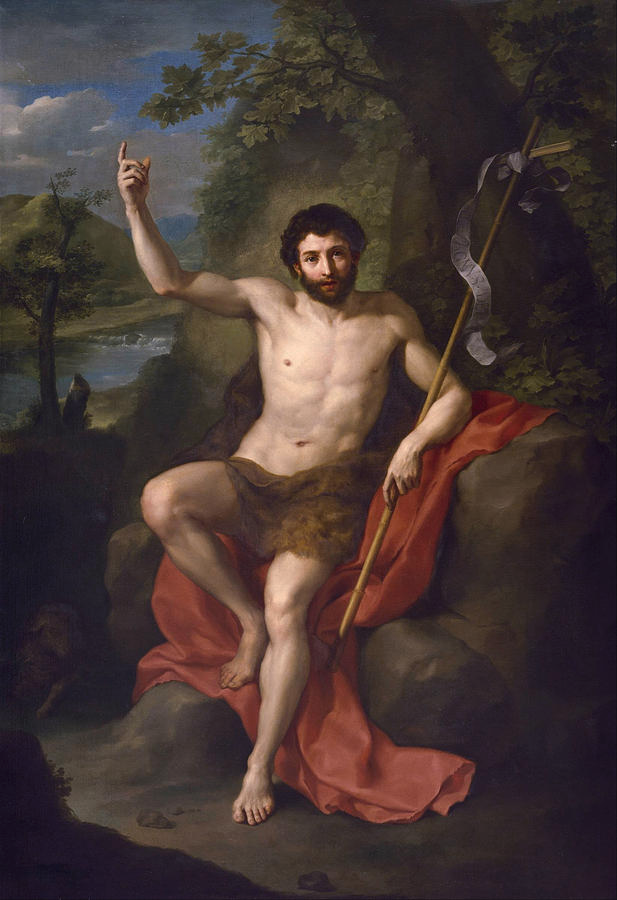
was the great forerunner of Jesus Christ, called by God to prepare the way for the coming of the Messiah. The son of Zechariah and Elizabeth, John lived a life of simplicity, prayer, and devotion, preaching repentance and calling people to turn their hearts toward God.
John baptized those who responded to his message in the Jordan River. When Jesus came to him, John baptized Christ and witnessed the revelation of the Holy Trinity: the Son in the Jordan, the Holy Spirit descending like a dove, and the voice of the Father from heaven.
Upon seeing Jesus, John proclaimed, “Behold the Lamb of God” (Ecce Agnus Dei), identifying Christ as the promised Savior. This is why the lamb is frequently associated with St. John the Baptist in Christian art.
John courageously defended truth even when doing so placed his own life in danger. After condemning the unlawful marriage of Herod Antipas, he was imprisoned and ultimately beheaded. He is therefore remembered as both a prophet and martyr.
In Christian art, St. John is often portrayed wearing a garment of camel’s hair, carrying a cross-shaped staff or scroll, and accompanied by the Lamb of God.
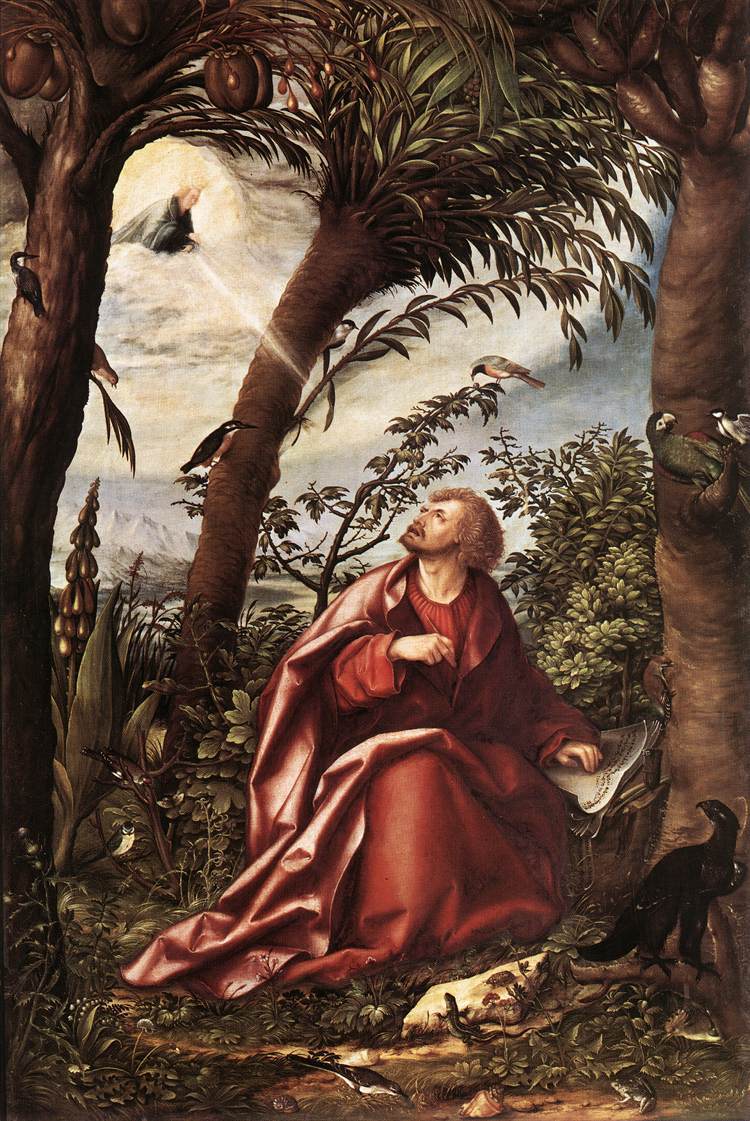
was one of the Twelve Apostles of Jesus Christ and, according to Christian tradition, the “beloved disciple” described in the Gospel of John. The son of Zebedee and brother of St. James, John was a fisherman before being called to follow Christ.
John was present at several of the most important events of Christ’s ministry, including the Transfiguration, the Last Supper, and the Crucifixion. At the Cross, Jesus entrusted the Virgin Mary to John’s care. Christian tradition also associates John with the Gospel of John, the three Epistles of John, and Revelation.
John’s writings place particular emphasis on Christ as the eternal Word of God, divine love, truth, light, and eternal life. The opening of his Gospel—“In the beginning was the Word” (In principio erat Verbum)—is among the best-known passages of the New Testament.
His traditional symbol is the eagle, representing the spiritual height of his Gospel and its contemplation of Christ’s divine nature. He is commonly depicted as an apostle holding a Gospel book, sometimes accompanied by an eagle.